Understanding Keloid Steroid Injections: A Comprehensive Guide
Keloid steroid injections involve the administration of corticosteroids directly into the keloid tissue. These injections aim to reduce inflammation, decrease collagen synthesis, and ultimately flatten the raised scar tissue. According to Ekstein et al. (2021), corticosteroids are among the most effective treatments for keloids due to their anti-inflammatory properties.


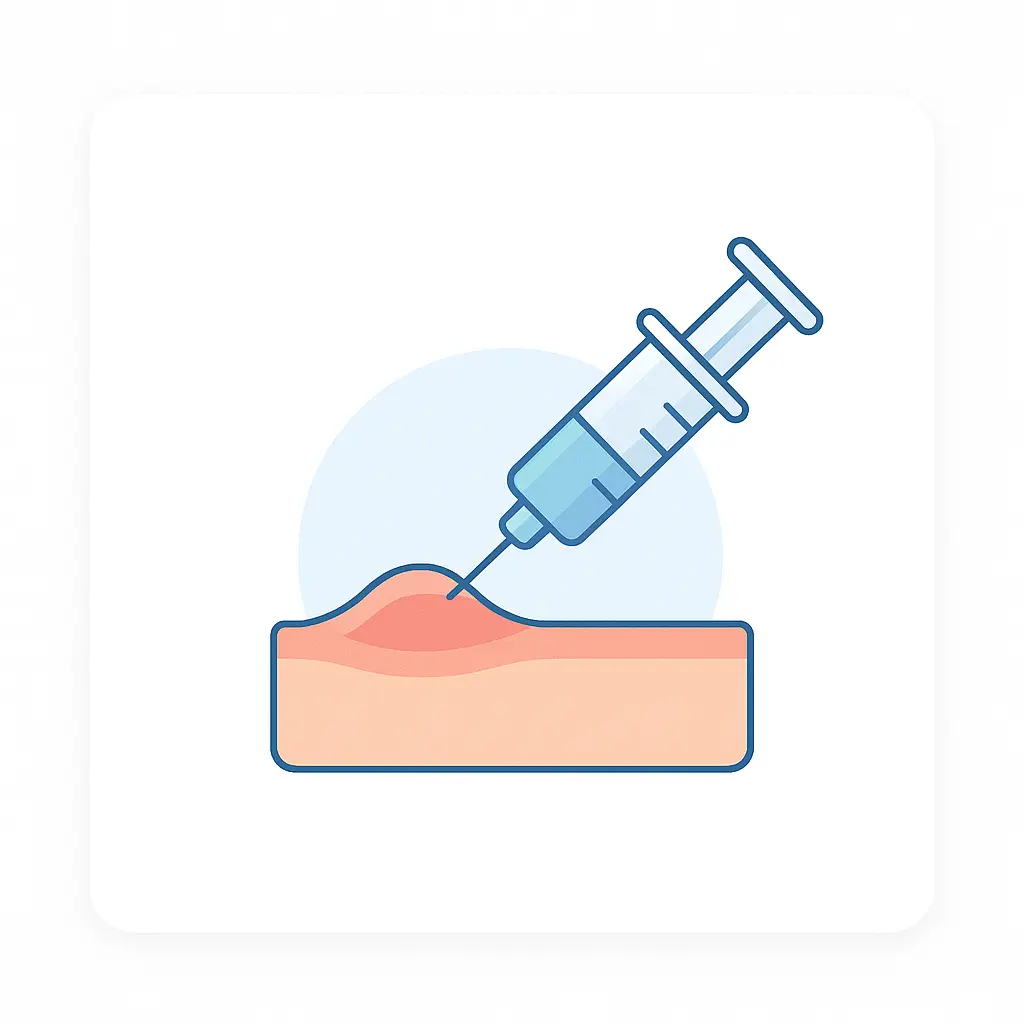
The Keloid Injection Procedure
The keloid injection procedure is relatively straightforward. It involves the following steps:
1. Consultation and Assessment: A dermatologist assesses the keloid’s size, location, and characteristics.
2. Preparation: The area around the keloid is cleaned and sterilized to prevent infection.
3. Injection: A corticosteroid solution is injected directly into the keloid. The process is generally quick, taking only a few minutes.
4. Post-Injection Care: Patients may experience slight redness or swelling, which typically subsides within a few days.
Keloid Steroid Injection Cost
The cost of keloid steroid injections can vary based on several factors, including the size and number of keloids, the geographic location, and the healthcare provider’s fees. It is essential to consult with your healthcare provider for a precise estimate.
Steroid Injection Frequency for Keloids
The frequency of steroid injections depends on the keloid’s response to treatment. Typically, injections are administered every 4 to 6 weeks. Most patients require multiple sessions to achieve optimal results. Consistent follow-up with your doctor ensures that the treatment plan is tailored to the patient’s needs and the keloid’s progression.
Keloid Steroid Injection Side Effects
While keloid steroid injections are generally safe, they can have side effects. Common side effects include skin thinning, discoloration, and temporary pain at the injection site. Rarely, patients might experience more severe reactions, such as allergic responses. It is crucial to discuss these potential side effects with your healthcare provider before beginning treatment.
For more information on keloid treatments and to book a consultation, visit our website or contact our office today.
Table of Contents
References
Ekstein S.F., Wyles S.P., Moran S.L., Meves A. (2021). Keloids: A review of etiology, prevention, and treatment. Journal of Cutaneous and Aesthetic Surgery. 14(1): 1–10. DOI: https://www.jcasonline.com/article.asp?issn=0974-2077;year=2021;volume=14;issue=1;spage=1;epage=10;aulast=Ekstein