Are Keloid Scars Treatable? What Science Tells Us Today
Finding an effective keloid scar treatment is a significant challenge for the many individuals worldwide affected by this common yet complex condition. Despite their prevalence, there is often confusion regarding proper diagnosis. In this article, we will explore the latest evidence-based approaches to managing this condition, including recent advancements and potential future breakthroughs.


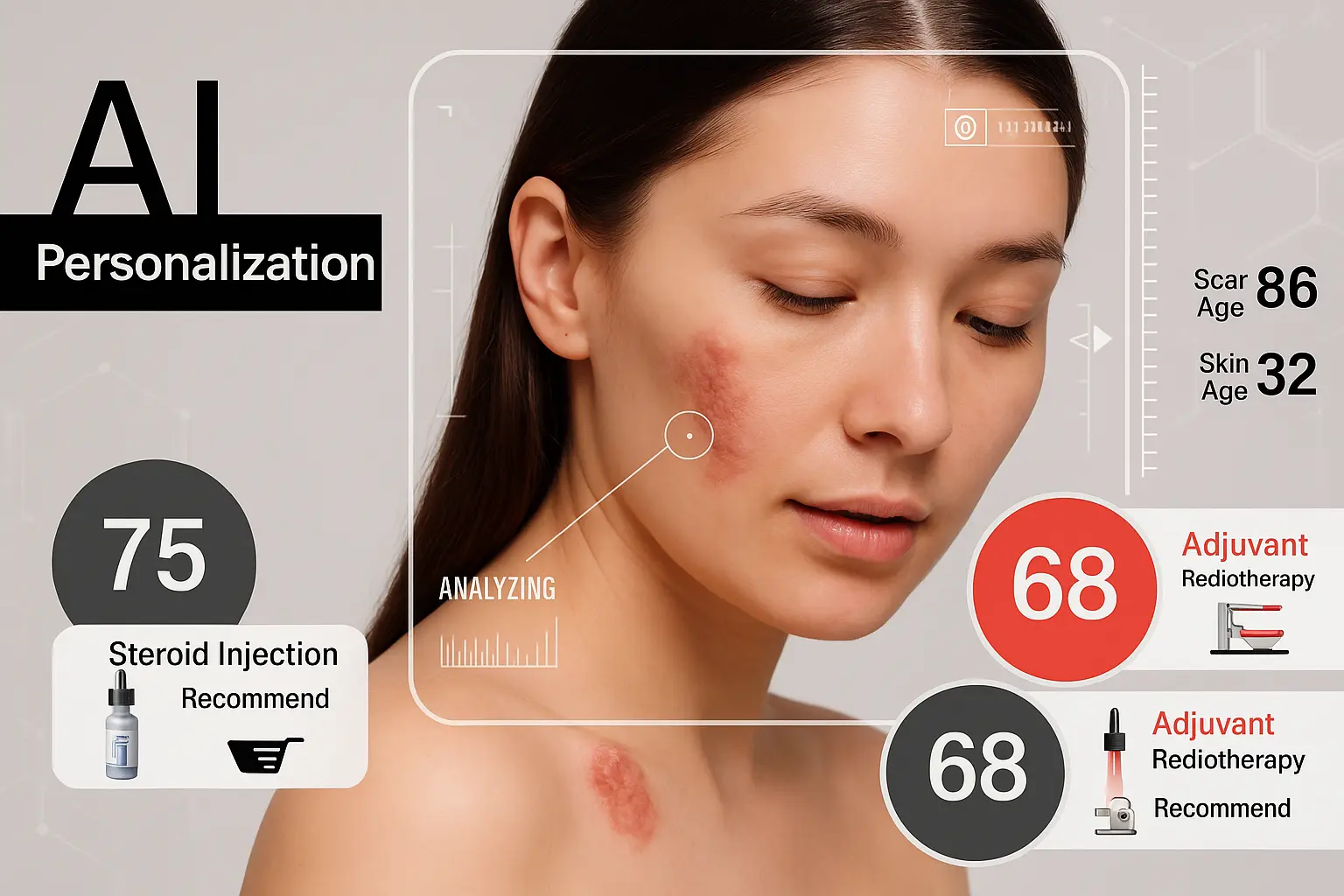
Diagnosis of Keloid Scars
The diagnosis of keloid scars is primarily clinical, based on the distinctive appearance and history of the scar. Dermatologists may consider a biopsy if the diagnosis is uncertain or to rule out other skin conditions. Accurate diagnosis is the foundation of any effective keloid scar treatment, as these lesions require different protocols compared to hypertrophic scars
Evidence-Based Keloid Scar Treatment Options
1.Corticosteroid Injections
Intralesional corticosteroid injections are a well-established first-line treatment for keloids. They work by reducing inflammation and slowing the production of collagen. According to Ekstein et al. (2021), corticosteroid injections can significantly flatten keloids and reduce symptoms such as itching and pain.
2.Laser Treatment for Keloid Scars
Laser therapy is an increasingly popular option for managing these lesions. Different types of lasers, such as pulsed dye lasers and CO2 lasers, can help reduce scar thickness and improve texture. Tripathi et al. (2020) highlight that laser protocols are often used as an adjunctive keloid scar treatment alongside other therapies to enhance outcomes.
3.Silicone Sheets and Pressure Therapy
Silicone sheets for keloid treatment are another non-invasive option that can help soften and flatten keloids over time. They are particularly effective for newly formed scars. Additionally, [pressure therapy for ear keloids](https://example.com/pressure-therapy/) can be beneficial, especially when combined with other treatments.
4. Surgical Excision with Radiation Therapy
For keloids that are large or resistant to other treatments, surgical removal of the scar followed by low-dose radiation therapy can be an effective option. After the keloid is carefully excised, radiation is applied to the area within the first hours or days to target the remaining overactive scar cells and lower the chance of the keloid growing back. Recent evidence-based reviews report that this combination approach offers lower recurrence rates than surgery alone, making it a valuable choice for recalcitrant keloids when performed in experienced centers.
5. Intralesional Chemotherapy (5-Fluorouracil and Other Agents)
Intralesional chemotherapy is another option for keloid scars, especially when corticosteroid injections alone are not enough. The most commonly used drug is 5-fluorouracil (5-FU), sometimes combined with triamcinolone. This combination has been shown to flatten scars more effectively than steroid injections alone and to improve redness and thickness scores in several clinical studies. Other agents, such as bleomycin or mitomycin C, may also be used in selected cases, but they require careful monitoring because of potential side effects like skin ulceration or pigmentation changes. Overall, intralesional chemotherapy is usually reserved for resistant keloids and is often combined with other treatments as part of a tailored plan.
Emerging and Novel Therapies for Keloids
Research into the pathophysiology of keloids has led to exciting developments in potential treatments. Emerging therapies include the use of topical mitomycin C, which targets fibroblasts to reduce collagen production, and botulinum toxin injections, which may alter the wound healing process.
Understanding the molecular mechanisms underlying keloid formation is crucial for developing new therapies. Recent studies have focused on genetic and epigenetic factors, as well as the role of growth factors and cytokines in keloid pathogenesis.
The future of keloid treatment looks promising, with ongoing research paving the way for more effective and targeted therapies. As we learn more about the underlying mechanisms of keloid formation, new treatments that specifically target these pathways are likely to emerge.
Table of Contents
References
- Ekstein S.F. et al. (2021). A Review of Therapeutic Management of Keloids and Hypertrophic Scars. *Journal of Cutaneous and Aesthetic Surgery*.
- Tripathi S. et al. (2020). Hypertrophic scars and keloids: a review and current treatment modalities. *Biomedical Dermatology*. DOI: 10.1186/s41702-020-00063-8.