Understanding Ear Keloids: Causes, Prevention, and Treatment
Keloids on the ear, particularly those arising from piercings, are a common concern for many individuals. These overgrowths of scar tissue can be both aesthetically displeasing and physically uncomfortable. This article delves into the causes, prevention strategies, and treatment options for keloids on the ear, providing evidence-based insights to help patients make informed decisions.


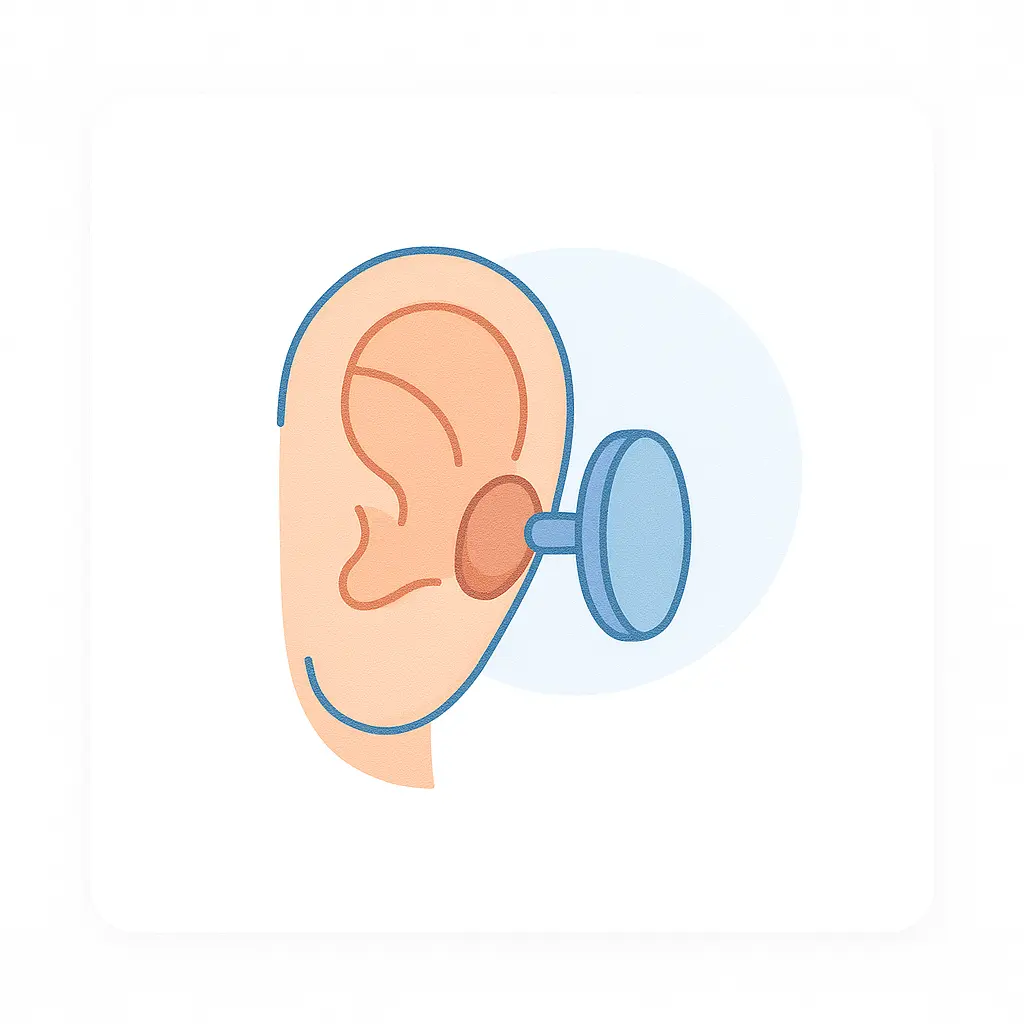
Causes of Ear Keloids
Keloid from Piercing Bump
Ear piercings are among the most common triggers for keloid formation. The thin and highly vascularized skin of the earlobes is particularly vulnerable to trauma and inflammation, which can lead to excessive collagen deposition during the healing process.
According to Ekstein et al. (2021), keloids can develop after any form of skin injury—including minor procedures such as piercings—due to an exaggerated fibroproliferative response in genetically predisposed individuals.
Limandjaja et al. (2020) further explain that this overreaction arises from dysregulated fibroblast activity and chronic inflammation, causing collagen to accumulate beyond the original wound boundary. Knowles & Glass (2023) note that ear keloids are among the most frequent types seen in dermatologic practice and often require multimodal treatment, combining excision, steroid injections, and pressure earrings.
In the Nippon Medical School protocol, Ogawa et al. (2021) highlight that keloids following piercings can be effectively managed through tension-reducing surgical techniques followed by postoperative adjuvant therapy (e.g., corticosteroids, silicone taping, or radiation) to prevent recurrence.
How to Prevent Keloids on Ear Piercings
Preventing ear keloids is challenging, especially for individuals with a genetic predisposition. However, some strategies can reduce the risk:
– Choose a Professional Piercer: Ensure your piercing is done by a professional using sterile techniques.
– Use Appropriate Jewelry: Opt for hypoallergenic materials like surgical steel or titanium to minimize irritation.
– Avoid Trauma: Be gentle with your piercings, avoiding unnecessary trauma or pressure.
How to Get Rid of Ear Keloids
If a keloid has already formed, several treatment options are available:
1. Pressure Earrings
Pressure earrings apply constant pressure to the keloid, which can help flatten and reduce its size. This method is part of [pressure therapy for ear keloids which has shown efficacy in managing these growths.
2. Silicone Gel Sheets
Silicone sheets are another non-invasive treatment that can help soften and flatten keloids. They work by hydrating the scar tissue and reducing collagen production.
3. Corticosteroid Injections
Steroid injections can reduce inflammation and scar size. This treatment is often used in combination with other therapies for optimal results.
4. Surgical Removal
In some cases, surgical excision of the keloid may be necessary. However, Tripathi et al. (2020) warns that this comes with a risk of recurrence, which can be as high as 50% or more.
Keloid on Ear Recurrence Rate
Keloids are notorious for their high recurrence rate. After treatment, keloids can return, sometimes larger than before. Combination therapies, such as surgery followed by pressure earrings or silicone sheets, can significantly reduce the likelihood of recurrence.
Keloids on the ear can be challenging to manage, but understanding the causes and available treatments can empower patients to take control of their care. For personalized advice and treatment options, book a consultation today.
Table of Contents
References
- Ekstein S.F., Wyles S.P., Moran S.L., Meves A. (2021). Keloids: A Review of Etiology, Prevention, and Treatment. Journal of Cutaneous and Aesthetic Surgery.
- Limandjaja G.C., Niessen F.B., Scheper R.J., Gibbs S. (2020). The Keloid Disorder: Heterogeneity, Histopathology, Mechanisms and Models. Frontiers in Cell and Developmental Biology.
- Knowles A., Glass D.A. II. (2023). Keloids and Hypertrophic Scars. Dermatologic Clinics.
- Ogawa R. et al. (2021). The Latest Strategy for Keloid and Hypertrophic Scar Prevention and Treatment (NMS Protocol). Journal of Nippon Medical School.
- Tripathi S. et al. (2020). Hypertrophic scars and keloids: a review and current treatment modalities. *Biomedical Dermatology*. DOI: 10.1186/s41702-020-00063-8.
- Ekstein S.F., Wyles S.P., Moran S.L., Meves A. (2021). Keloids: A Review of Etiology, Prevention, and Treatment. Journal of Cutaneous and Aesthetic Surgery.