Comprehensive Guide to Laser Treatment for Keloid Scars
Keloid scars result from an overgrowth of granulation tissue at the site of a healed skin injury, which can be caused by acne, surgery, or even minor skin abrasions. Keloid scars are notoriously difficult to treat due to their unpredictable nature and tendency to recur.
Laser treatment for keloid scars has emerged as a popular method for reducing the size and appearance of these lesions. By targeting the blood vessels within the scar tissue, this therapy can effectively flatten keloids and improve their texture and color.


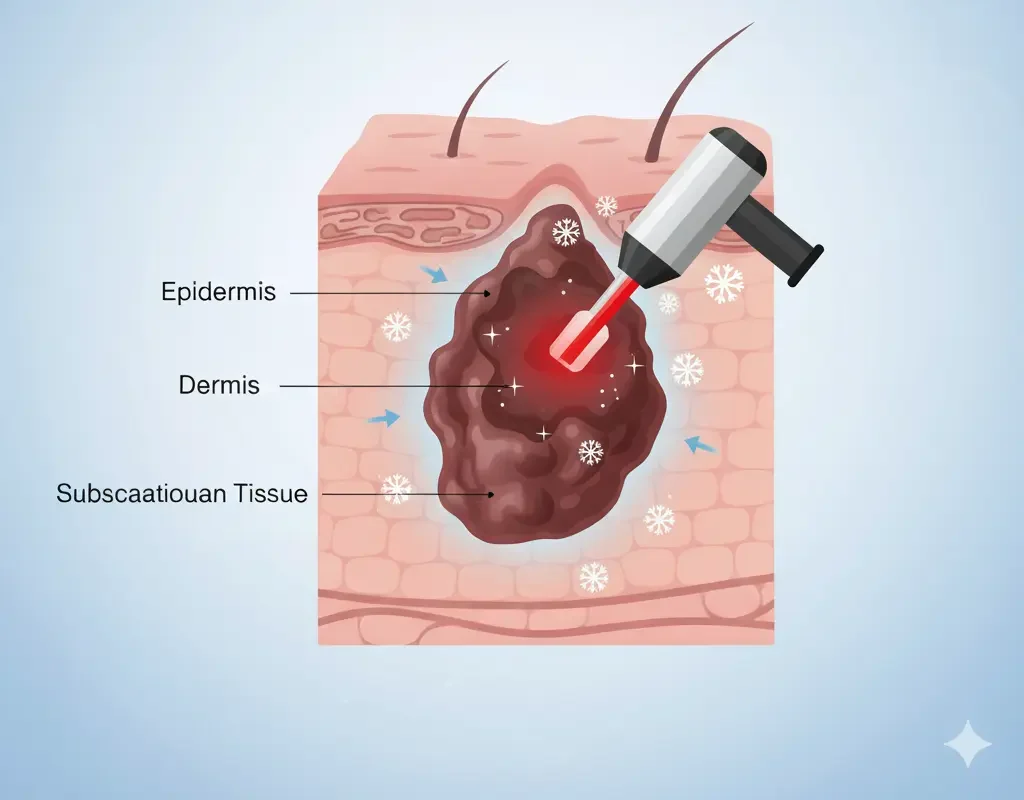
The Role of Laser Treatment for Keloid Scars
According to Mony et al. (2023), laser therapy—particularly fractional CO₂ and pulsed-dye laser—can modulate the biological behavior of keloid fibroblasts, decreasing collagen overproduction and making scars less aggressive and more manageable. Similarly, the Cochrane review by Leszczynski et al. (2022) reports that laser therapy can improve scar pliability and thickness, especially when combined with intralesional corticosteroids or 5-fluorouracil (5-FU).
Ekstein et al. (2021) note that lasers are most beneficial as an adjunct treatment, enhancing outcomes when used alongside other evidence-based methods such as steroid injections or surgery.
Best Type of Laser for Keloids Scars
When considering laser treatment, selecting the appropriate type of laser is crucial for achieving optimal results. The following are commonly used laser types for keloid treatment:
– Pulsed Dye Laser (PDL): Known for its precision, PDL is effective in reducing redness and flattening keloid scars by targeting blood vessels.
– Fractional CO2 Laser: This laser improves skin texture and reduces scar height by enabling controlled damage to the scar tissue, promoting new skin growth.
– Nd:YAG Laser: Beneficial for deeper scars, this laser penetrates the skin to stimulate collagen production and reduce scar tissue.
Each laser type has its unique benefits and might be used in combination with other therapies for enhanced results.
Cost of Laser Keloid Removal
The laser keloid removal cost varies depending on several factors, including the size and location of the scar, the type of laser used, and the number of sessions required. On average, patients can expect to pay between $200 and $500 per session, with multiple sessions often necessary for optimal results.
Combination Therapy for Keloids
For some patients, combination therapy for keloids might offer the best results. This approach can include:
– Silicone Sheets: Used post-laser treatment to flatten scars and improve texture. (/silicone-sheets/).
– Corticosteroid Injections: Reduce inflammation and scar tissue formation when used alongside laser therapy.
Laser treatment for keloid scars represents a promising option for those struggling with keloid scars, offering significant improvements in scar appearance and patient confidence. As with any medical procedure, consulting with a qualified dermatologist is essential to determine the most appropriate treatment plan.
Table of Contents
References
- Mony M.P., et al. (2023). An Updated Review of Hypertrophic Scarring.
- Leszczynski R. et al. (2022). Laser Therapy for Treating Hypertrophic and Keloid Scars (Cochrane Review). Cochrane Database of Systematic Reviews.
- Ekstein S.F., Wyles S.P., Moran S.L., Meves A. (2021). Keloids: A Review of Etiology, Prevention, and Treatment. Journal of Cutaneous and Aesthetic Surgery.
- Mony M.P., et al. (2023). An Updated Review of Hypertrophic Scarring.