Keloid Removal: Evidence-Based Overview of Multimodal Treatment Strategies
Keloids are a common dermatological concern, particularly among individuals with darker skin tones. They are raised scars that grow excessively at the site of a healed skin injury and can be both aesthetically concerning and physically uncomfortable. Understanding the best keloid removal methods is essential for effective treatment and long-term results.


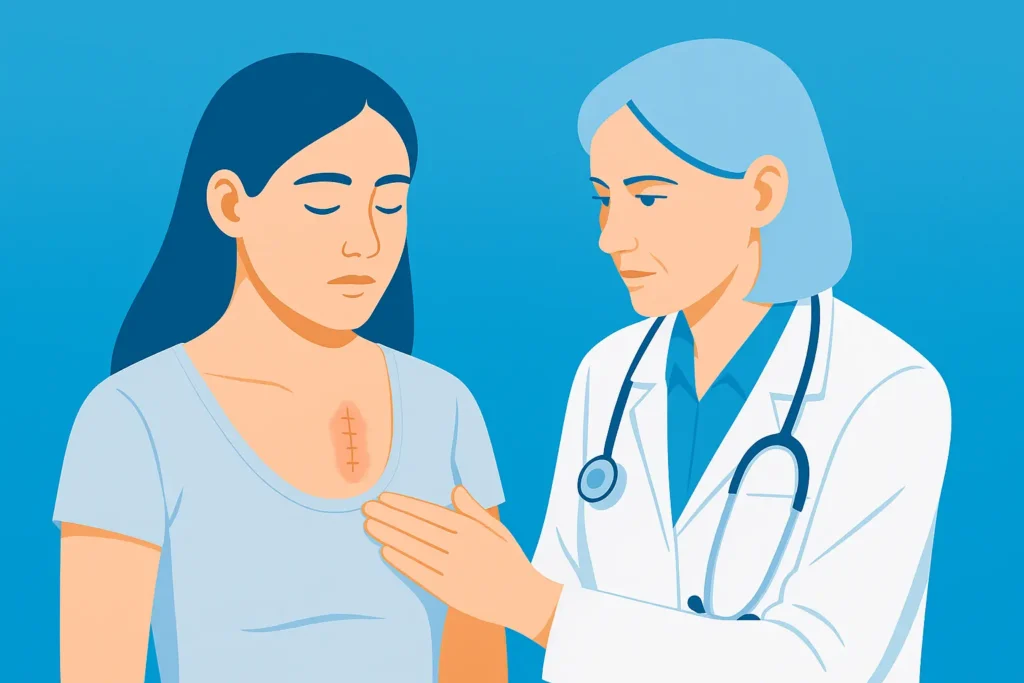
Evidence-Based Keloid Removal Techniques
1. Keloid Surgical Excision
Keloid surgical excision (keloidcare.clinic/surgical-excision-keloids) involves removing the entire keloid tissue surgically. This method is often combined with other treatments to minimize the risk of recurrence. According to Ekstein et al. (2021), the success of keloid surgery largely depends on the subsequent treatments used to prevent regrowth.
2. 5-Fluorouracil (5-FU) Injections
5-Fluorouracil (5-FU) is a chemotherapy agent that (keloidcare.clinic/steroid-injections-keloid), when injected directly into the keloid, can reduce its size and symptoms. Studies have shown that 5-FU can be particularly effective when combined with steroid injections, enhancing the overall outcome.
This finding is supported by Ren et al. (2021), who demonstrated that combining 5-fluorouracil (5-FU) with triamcinolone acetonide (TAC) enhances treatment efficacy and reduces steroid-related side effects.
Al-Niaimi and Ali (2021) further support this approach, noting that the addition of 5-FU can improve clinical outcomes in keloid management.
3. Pressure Therapy for Keloids
- Pressure therapy (keloidcare.clinic/silicon-sheets-keloid) involves applying pressure garments on the keloid area, which can help flatten the scar over time. This non-invasive method is often used post-surgery to prevent recurrence and is backed by clinical evidence for its effectiveness in managing keloid scars.
- As noted by Ekstein et al. (2021), pressure therapy (including pressure garments, clips, and earrings) as one of the most established non-invasive approaches for both preventing and treating keloid and hypertrophic scars, particularly after surgical excision.
- They note that:
- Constant pressure of 20–40 mmHg applied for 12–24 hours a day over several months can reduce blood flow and fibroblast proliferation, leading to scar flattening.
- Pressure therapy is especially effective for ear keloids, using custom-made pressure earrings or silicone-lined clips.
- The main limitation is poor patient compliance, since the garments must be worn consistently for long periods.
- When properly used, it can significantly lower recurrence rates following excision.
4. Scar Revision for Keloids
Scar revision involves altering the appearance of a keloid scar through various techniques, such as surgical keloid removal or laser treatments. This approach aims to improve the aesthetic appearance of the scar and is often tailored to the patient’s specific needs and the scar’s characteristics.
While Ogawa et al. (2021) emphasizes immediate postoperative adjuvant therapy—including steroid injections, silicone gel sheets, or radiation—to reduce tension and prevent recurrence, Limandjaja et al. (2020) highlights that surgical excision alone carries recurrence rates of 55–100%, often resulting in an even larger keloid unless combined with adjunctive modalities such as corticosteroid therapy or radiotherapy.
5. Laser Treatment
Laser treatment for keloids is a complementary option aimed at softening, flattening, and improving the color and texture of scar tissue. According to the Cochrane systematic review by Leszczynski et al. (2022), pulsed-dye laser (PDL) and fractional CO₂ laser therapy have shown moderate improvement in keloid and hypertrophic scar appearance, although evidence certainty remains low due to limited randomized trials. The review also noted that combining laser therapy with intralesional corticosteroids (such as triamcinolone acetonide) or 5-fluorouracil (5-FU) may yield better cosmetic and symptomatic outcomes than laser monotherapy.
Ekstein et al. (2021) similarly describe laser treatment as a useful adjunct to conventional therapy, particularly for improving pliability and erythema in mature keloids.
For a detailed overview of the different laser modalities and their evidence base, please visit our Laser Treatment for Keloids page (keloidcare.clinic/laser-treatment-keloids).
Combination Therapies for Optimal Results
Evidence shows that surgical excision followed by adjuvant treatments such as 5-fluorouracil (5-FU) and triamcinolone acetonide (TAC) injections, silicone or pressure therapy, and, in select cases, postoperative radiotherapy, yields markedly better long-term results than any single therapy alone.
Because each scar responds differently, treatment plans should be individualized—considering lesion size, location, prior interventions, and patient history—to achieve both functional and cosmetic improvement.
If you’re dealing with keloids and considering keloid removal, book a consultation today to discuss your options with our specialists.
Table of Contents
References
- Walsh L.A., Berman B., Laitman B.M. (2023). Keloid treatments: An evidence-based systematic review of recent advances. Systematic Reviews. DOI: 10.1186/s13643-023-02192-7
- Leszczynski R. et al. (2022). Laser therapy for treating hypertrophic and keloid scars (Cochrane Review). Cochrane Database of Systematic Reviews. DOI: 10.1002/14651858.CD011642.pub2
- Al-Niaimi F., & Ali S. (2021). Hypertrophic scars and keloids: Overview of the evidence and practical guide for differentiating between these abnormal scars. Clinical, Cosmetic and Investigational Dermatology. DOI: 10.2147/CCID.S269361
- Ekstein S.F., Wyles S.P., Moran S.L., Meves A. (2021). Keloids: A review of etiology, prevention, and treatment. Journal of Cutaneous and Aesthetic Surgery. 14(1): 1–10. DOI: https://www.jcasonline.com/article.asp?issn=0974-2077;year=2021;volume=14;issue=1;spage=1;epage=10;aulast=Ekstein
- Ogawa R., Dohi T., Tosa M., Aoki M., Akaishi S. (2021). The Latest Strategy for Keloid and Hypertrophic Scar Prevention and Treatment (NMS Protocol). Journal of Nippon Medical School, 88: 2–9. DOI: 10.1272/jnms.JNMS.2021_88-106
- Limandjaja G.C., Niessen F.B., Scheper R.J., Gibbs S. (2020). The Keloid Disorder: Heterogeneity, Histopathology, Mechanisms and Models. Frontiers in Cell and Developmental Biology. DOI: 10.3389/fcell.2020.00360